Why New Jersey Residents Need Waterproofing Services
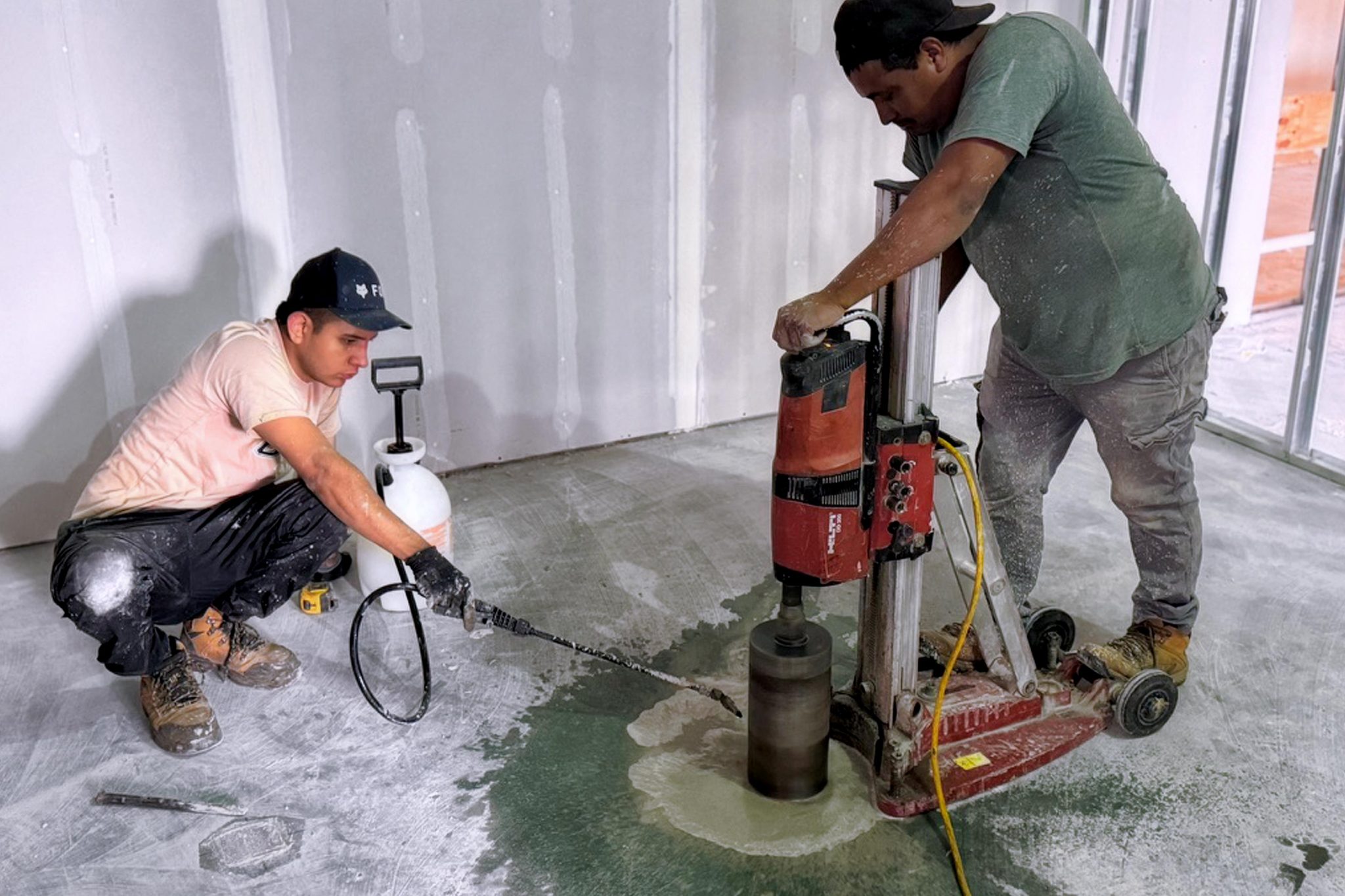
New Jersey homeowners learn quickly that water rarely stays where you want it. It seeps through hairline cracks, gathers along foundations, pushes against basement walls, and finds weak points around windows, crawl spaces, and slabs. In a state with coastal exposure, older housing stock, dense development, and four true seasons, moisture problems are not a niche concern. They are a routine part of property ownership.
That is why waterproofing services matter so much here. In many parts of the country, a damp basement might be an occasional inconvenience. In New Jersey, it can become a repeating cycle of cleanup, repairs, odor control, and declining property value. Once water starts entering a home, the damage is rarely limited to one puddle on the floor. Moisture moves into framing, insulation, drywall, stored belongings, and the air itself.
People often wait until they see standing water before they call for help. By then, the problem has usually been developing for months or years. Efflorescence on masonry, peeling paint, swollen trim, musty odors, rusted metal components, and warped flooring are often the earlier warnings. A trained eye sees those clues and reads them as part of a larger system failure involving drainage, hydrostatic pressure, grading, groundwater, or vapor intrusion.
For New Jersey residents, waterproofing is less about reacting to one bad storm and more about protecting the structure from predictable local conditions.
New Jersey homes face a difficult mix of water-related risks
The state packs a lot of environmental variety into a relatively small area. Homes near the shore deal with salt air, high water tables, and storm surge concerns. Inland neighborhoods may sit on clay-heavy soils that hold water and expand under wet conditions. In wooded and suburban areas, mature landscaping can affect grading and root pathways. Older towns often have aging drainage systems and foundations that were built long before modern moisture control standards became common.
A basement in Bergen County may take on water for different reasons than a crawl space in Ocean County or a slab home in Camden County. Yet the result often looks similar to the homeowner: dampness, staining, odor, mold risk, and recurring maintenance costs.
Freeze-thaw cycles add another layer of stress. Water enters a small crack, temperatures drop, that moisture expands, and the crack widens. Then spring rains arrive and exploit the new opening. This pattern is common in foundation walls, masonry joints, exterior stairwells, and retaining structures. What begins as a minor flaw can become a serious infiltration point after a couple of seasons.
Heavy rainfall is another factor. New Jersey sees periods of intense precipitation, and many neighborhoods have houses built close together with limited room for runoff to disperse. When gutters discharge too close to the foundation, when yards slope back toward the house, or when hardscaping traps water, the pressure on below-grade walls increases quickly. That pressure, known as hydrostatic pressure, is one of the biggest reasons basement waterproofing systems are needed.
https://www.google.com/maps?cid=15618896523686751270Water in a basement is rarely just a basement problem
Homeowners sometimes try to isolate the issue. They run a fan, use a dehumidifier, mop up after storms, and hope the problem stays contained downstairs. It usually does not. Moisture affects the whole house.
Air moves upward. Damp air from a basement or crawl space can migrate into upper living areas, carrying musty odors and increasing indoor humidity. That can make cooling systems work harder in summer and create comfort issues year-round. In homes with allergies or asthma concerns, excess moisture can aggravate conditions because mold and dust mites thrive in humid environments.
Structural materials also deteriorate slowly under prolonged exposure. Wood framing near chronic dampness can soften or rot. Metal fasteners and columns can corrode. Concrete can crack further as water cycles through it. Insulation loses effectiveness when wet. Drywall wicks moisture and often has to be removed once saturated. Flooring installed over concrete slabs can fail if vapor transmission is too high.
I have seen homeowners spend thousands finishing a basement, only to discover a year later that the paneling, flooring, and trim hid a persistent moisture problem rather than solving it. The finished space looked clean and comfortable until one wet season exposed bubbling surfaces, mildew smells, and damaged subfloor materials. Waterproofing would have cost far less if done first.
Why DIY fixes usually fall short
Store shelves are full of products that promise to stop leaks. Some have a place when used correctly, but most are not complete solutions. Waterproof paint, crack filler, and portable dehumidifiers can help with symptoms. They rarely solve the cause.
The distinction matters. If water is entering because exterior drainage is poor, a coating on the inside wall does not relieve the pressure outside. If the footing drain has failed or never existed, painting the concrete may buy time but not protection. If the issue is a high water table, then moisture control requires a system built to manage recurring groundwater, not just a cosmetic seal.
That is where experienced contractors earn their value. Good Waterproofing services start with diagnosis. They determine whether the water is coming from surface runoff, groundwater, plumbing leaks, condensation, masonry porosity, or a combination of issues. The treatment for each is different. Misdiagnosis leads to wasted money.
A homeowner may notice one visible crack and assume that is the source. In reality, the main problem could be a buried downspout outlet clogged twenty feet away, a negative grade at the side yard, or a failed cold joint where the wall meets the slab. Waterproofing is detective work before it is construction.
The most common warning signs homeowners miss
Some symptoms are obvious, but many are subtle enough that people normalize them. If a basement always smells a little earthy, if boxes feel damp at the bottom, or if paint keeps peeling off one section of wall, that is not normal aging. It is evidence.
Here are a few signs worth taking seriously:
- a musty odor that lingers even after cleaning
- white, chalky residue on masonry walls or floors
- peeling paint, bubbling coatings, or stained baseboards
- recurring condensation on pipes, windows, or concrete surfaces
- hairline cracks that widen or reappear after patching
Each of those signs can point to a different source, but all of them justify a closer inspection. The earlier the intervention, the more options a homeowner usually has.
What professional waterproofing actually involves
Many people hear the term and imagine one standard service. In practice, waterproofing can include several approaches, depending on the house and the source of moisture. Some homes need targeted crack injection. Others require interior drainage channels, sump pump installation, vapor barriers, exterior excavation, membrane application, grading correction, or crawl space encapsulation.
A reputable contractor will not prescribe the same remedy for every property. They will assess age of construction, foundation type, soil behavior, exterior drainage conditions, prior repairs, and whether the moisture is seasonal or constant.
Professional Waterproofing services NJ homeowners rely on often include a mix of the following:
- interior water management systems that collect and redirect seepage
- sump pump systems with proper discharge lines, and often battery backup
- exterior waterproof membranes and foundation drainage improvements
- crawl space encapsulation with vapor barriers and humidity control
- crack repair and sealing for specific structural or non-structural openings
The key point is that waterproofing is a system, not a single product. One component without the others may help, but it may not protect the house fully.
Basements in older New Jersey homes need special attention
New Jersey has a large number of older homes, especially in established towns and close-in suburbs. These properties often have fieldstone, block, or early poured concrete foundations. They may also have undergone several rounds of patchwork repairs over the decades.
Older foundations behave differently than newer ones. They may be more porous, more irregular, and more sensitive to trapped moisture. Using the wrong materials can make the problem worse. For example, sealing a wall too aggressively from the interior without allowing the assembly to dry appropriately can cause spalling or force moisture into adjacent areas.
I have seen century homes where the right strategy was not to make the basement look pristine and bone dry in a cosmetic sense, but to manage water intelligently while preserving the foundation’s integrity. That might mean improving drainage outside, controlling bulk water, directing seepage to a collection system, and choosing finishes that tolerate a below-grade environment. Good contractors understand those distinctions. They do not oversell a showroom basement where the house itself is telling a different story.
Crawl spaces are often the hidden source of bigger problems
Not every moisture issue shows up in a full basement. South Jersey and shore-area homes, in particular, may have crawl spaces that are ventilated poorly, exposed to ground moisture, or vulnerable to seasonal flooding. Because people do not spend time in crawl spaces, problems can advance for a long time before anyone notices.
A damp crawl space can support mold growth on joists and subflooring, attract pests, and drive humidity into the living area above. Floors may feel cold in winter or cupped in summer. Insulation can sag and become ineffective. In some homes, the HVAC equipment or ductwork in the crawl space also suffers, lowering energy performance and air quality.
Encapsulation is often the right move when conditions call for it, but only when done properly. That means more than laying plastic on the ground. It usually involves sealing vents when appropriate, installing a durable vapor barrier, addressing drainage and standing water, insulating correctly, and controlling humidity over time. A partial fix in a crawl space tends to fail because moisture exploits every gap.
Storms are becoming more punishing for vulnerable properties
Without overstating trends, it is fair to say that many homeowners have experienced storms in recent years that exposed weak points they did not know existed. Sudden downpours, saturated ground, and overwhelmed local drainage systems can turn a minor moisture issue into an urgent water event.
This is especially relevant in flood-prone portions of New Jersey, but it is not limited to mapped flood zones. A house can take on water simply because the lot drains poorly, the sump pump fails during an outage, or runoff from neighboring properties flows toward the foundation. I have seen homes outside any special hazard designation deal with repeated basement flooding after heavy rain because surrounding development changed how surface water moved.
That is one reason backup systems matter. If a home depends on a sump pump, the homeowner should think seriously about battery backup or water-powered backup where feasible. Power outages and severe storms tend to arrive together, which is exactly when the primary pump is under greatest demand.
Waterproofing protects resale value, even if you are not moving soon
Moisture issues make buyers nervous, and with good reason. A damp basement suggests hidden costs. Even if a buyer likes the house, signs of water intrusion can lead to lower offers, demands for repair credits, or failed inspections. Musty odors are particularly damaging because they raise immediate concerns about mold and neglected maintenance.
On the other hand, documented waterproofing work by a reputable contractor can be a strong point. It shows that the homeowner identified the issue, addressed it professionally, and invested in the building’s long-term condition. Buyers may still ask questions, but they are often more comfortable when the work was done methodically rather than covered up cosmetically.
This matters even if a move is years away. Houses are easier to maintain when small issues are handled before they become part of a broader pattern. And homeowners who plan to finish a basement, store valuables, or create work-from-home space below grade should view waterproofing as a prerequisite, not an optional add-on.
The cost of delay is usually higher than the cost of action
People hesitate because waterproofing can seem expensive. Sometimes it is. Exterior excavation or full perimeter systems are not small-ticket services. But the comparison should be made against the likely cost of repeated damage, not against doing nothing.
A single water event can ruin flooring, drywall, trim, stored furniture, holiday decorations, tools, appliances, and personal records. Add cleanup, mold remediation if necessary, and the lost use of the space, and the numbers climb fast. Repeated dampness also chips away at value more quietly through odors, corrosion, and material failure.
There are also cases where a modest intervention early prevents a much larger repair later. Extending downspouts, regrading a section of yard, repairing a crack properly, or adding drainage in the right location can spare a homeowner from larger interior damage. The point is not that every house needs the biggest system available. It is that prompt diagnosis gives you more choices and better leverage.
Choosing the right contractor takes judgment
The waterproofing industry includes excellent specialists and plenty of aggressive sales operations. Homeowners should pay attention not just to the proposed price, but to how the contractor thinks. Do they inspect carefully? Do they explain why water is entering? Do they distinguish between moisture, seepage, and structural movement? Do they discuss maintenance requirements and realistic expectations?
A thoughtful estimate often sounds different from a generic sales pitch. It includes observations about grading, discharge points, wall condition, seasonal patterns, and where evidence suggests the water is actually traveling. It does not rely on scare tactics. It also avoids promising that one coating or one trench will solve every issue in every foundation type.
When comparing Waterproofing services NJ residents should look for contractors who understand local construction patterns. A company familiar with New Jersey foundations, soils, weather, and permitting expectations has an advantage. Local experience helps because the same fix that works well in one region may be incomplete or excessive in another.
It is also wise to ask practical questions. What maintenance does the system require? How is the sump discharge protected from freezing? What happens during a power outage? If exterior work is proposed, how will landscaping, walkways, or hardscaping be affected? Those details separate durable work from rushed work.
Prevention outside the house still matters inside the house
Not all waterproofing begins below grade. Exterior water management remains the first line of defense, and homeowners should not overlook the basics. Clean gutters, properly extended downspouts, sensible grading, and sound masonry joints can dramatically reduce the burden on the foundation. So can keeping planting beds from building up against siding or trapping water next to the home.
That said, exterior maintenance and professional waterproofing are not opposing ideas. They support each other. A house with excellent gutter management can still need an interior drain system if groundwater pressure is high. A crawl space with encapsulation still benefits from runoff being directed well away from the structure. The strongest protection usually comes from combining common-sense exterior control with targeted professional systems where conditions demand them.
Not every damp basement needs the same level of intervention
This is where professional judgment matters most. There are homes where seasonal humidity is the main issue, and a dehumidifier plus air sealing makes a meaningful difference. There are others where water enters only at one crack during extreme rain, and a localized repair is enough. Then there are basements that take on seepage across multiple walls, where piecemeal repairs only delay the inevitable need for a broader drainage approach.
Overbuilding a solution wastes money. Underbuilding one guarantees frustration. The goal is to match the remedy to the problem’s actual cause, frequency, and severity.
That is why a careful inspection should include not only visible damage, but also the house’s context. Is the lot lower than the neighboring yards? Has the property had additions that changed drainage patterns? Was the basement finished without any moisture testing? Are there signs of old water lines hidden behind shelving or storage? Those clues matter.
A dry lower level changes how a home feels and functions
When waterproofing is done correctly, the result is more than leak prevention. The home feels healthier. Odors diminish. Humidity becomes easier to manage. Storage is less risky. Mechanical systems are better protected. Finished spaces stay finished. Homeowners stop watching weather forecasts with dread.
That peace of mind is hard to price, especially for families who have already dealt with repeated cleanups or lost belongings. One client once described the difference simply: after years of keeping everything in plastic bins and avoiding the basement after storms, they finally started using the space like part of the house instead of a problem zone. That is what effective waterproofing delivers. Not magic, not marketing language, just control.
For New Jersey residents, that control is worth pursuing because the state’s climate, soils, and housing conditions create real, recurring exposure to moisture intrusion. Waterproofing services are not just for homes already in crisis. They are a practical investment in structure, air quality, comfort, and long-term property value. When water has a habit of finding the weak spot, the smart move is to strengthen the house before the next storm does the testing for you.
ARD Waterproofing
Address: 98 Smull Ave, West Caldwell, NJ 07006
Phone number: +12016465936
FAQ About Waterproofing Services NJ
How much can waterproofing cost?
Stephanie holds a bachelor's degree in journalism from California State University, Long Beach. Basement waterproofing costs around $13,640 on average for a 1,000-square-foot basement, but estimates can range from $12,447–$14,833, depending on the severity of the issue.
Which company is best for waterproofing?
The "best" company depends on your specific need—whether you are looking for local contractors to fix a wet basement or global manufacturers providing commercial-grade chemicals.
What is the best time to do waterproofing of your home?
As the rains subside, it makes for the perfect time to work on waterproofing your home. With no high temperatures and harsh rains to disrupt the process of waterproofing your home, you get to rapidly protect your home in time.